
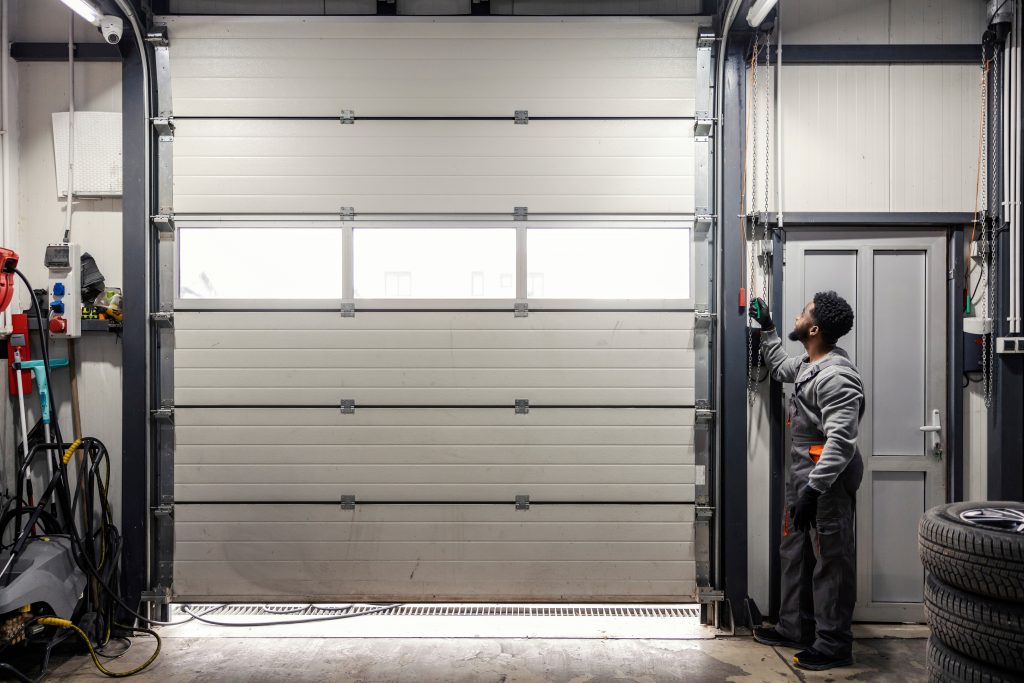
A garage door opens slowly and feels heavy when something inside the system is no longer working as it should. Therefore, this issue often points to worn components, tension imbalance, or hidden mechanical problems. At Super G&R Garage Door Repair, we deal with this situation regularly, and we know how quickly it can get worse if ignored.
In many cases, homeowners notice the change gradually. However, the door that once moved smoothly may begin to struggle, make noise, or stop halfway. This is usually a sign that key parts are under stress and need attention before a complete failure happens.
Why a Garage Door Starts Moving Slowly
When a garage door slows down, it is rarely caused by a single issue. Instead, it often results from a combination of wear and imbalance. For example, springs may lose tension over time, making the opener work harder than it should.
Another common reason is friction in the system. In other words, rollers, tracks, or hinges may be dry or slightly misaligned, which increases resistance. As a result, the opener struggles to lift the door, causing slower movement and added strain.
If the opener itself is aging, it may also lose efficiency. Consequently, even a properly balanced door can begin to feel heavy and sluggish during operation.
The Connection Between Weight and Spring Tension
Garage doors are designed to feel almost weightless when springs are working correctly. Therefore, if the door suddenly feels heavy, it usually means the springs are no longer providing proper support.
Torsion or extension springs carry most of the door’s weight. However, when they weaken or break, the entire load shifts to the opener. This is why you may notice the motor working harder or the door moving unevenly.
In such cases, scheduling a garage door spring repair is essential. Otherwise, continued use can damage other components and increase repair costs over time.
How Cables Affect Door Movement
Cables play a key role in lifting and lowering the garage door safely. Similarly, they help distribute tension evenly across both sides of the system. When cables begin to fray or stretch, the balance is affected.
As a result, one side of the door may lift slightly faster than the other. This creates uneven movement, which can make the door feel heavy and unstable. Over time, this imbalance can lead to further mechanical stress.
In these situations, a garage door cable replacement restores proper alignment and smooth operation. That is to say, replacing worn cables prevents sudden failures and improves overall performance.
The Role of the Garage Door Opener
The opener is designed to guide the door, not lift its full weight. However, when springs or cables fail, the opener compensates, which leads to slower operation and strain.
You may notice the opener making unusual sounds or hesitating during movement. For instance, the door may pause, jerk, or reverse unexpectedly. These signs indicate that the system is not working in balance.
In some cases, upgrading or adjusting the system through garage door opener installation can improve performance. Most importantly, it ensures the opener works efficiently with the rest of the system rather than against it.
Warning Signs You Should Not Ignore
A slow and heavy garage door rarely fixes itself. Therefore, recognizing early warning signs can prevent larger problems later.
Some key signs include:
- The door opens slower than usual
- The opener sounds louder than before
- The door feels heavy when lifted manually
- Movement becomes uneven or shaky
If you notice any of these issues, it is important to act quickly. Otherwise, the problem may lead to complete system failure or even safety risks.
What Happens If You Delay Repairs
Ignoring a slow garage door can lead to serious consequences. For example, a weakened spring can suddenly break, causing the door to drop unexpectedly. This creates both safety concerns and costly repairs.
Similarly, worn cables may snap without warning. As a result, the door can become misaligned or stuck in place. This situation often requires emergency service and immediate attention.
To avoid these risks, it is always better to address the issue early. You can start by visiting the main garage door services page to understand available solutions and maintenance options.
Simple Maintenance That Helps
Regular maintenance can prevent many issues that cause slow movement. For instance, lubricating moving parts reduces friction and keeps the system running smoothly.
Checking alignment is also important. In addition, ensuring that tracks are clean and free of debris helps the door move without resistance. These small steps can extend the life of your garage door system.
However, when the problem involves springs or cables, professional service is required. In other words, these components carry high tension and should not be handled without proper tools and experience.
When to Call for Professional Help
If your garage door feels heavy or opens slowly, it is best to seek help before the issue worsens. Therefore, professional inspection can quickly identify the root cause and prevent further damage.
At Super G&R Garage Door Repair, we focus on diagnosing the full system rather than just one part. As a result, repairs are more effective and long lasting. Whether the issue involves springs, cables, or the opener, proper adjustment restores smooth and safe operation.
If you are unsure about the condition of your door, you can always Contact Us for guidance and support.
FAQs
Why does my garage door suddenly feel heavier?
This usually happens when the springs lose tension or break. Therefore, the door’s weight is no longer balanced, making it harder to lift.
Can I still use my garage door if it opens slowly?
You can, but it is not recommended. However, continued use may damage the opener or other parts and lead to more expensive repairs.
How do I know if the springs are the problem?
If the door feels heavy when lifted manually or moves unevenly, the springs are likely worn. In other words, they are no longer supporting the weight properly.
Are cables responsible for slow door movement?
Yes, damaged or stretched cables can cause imbalance. As a result, the door may move unevenly and feel heavier than normal.
When should I call a professional?
You should call as soon as you notice slow movement or added weight. Most importantly, early inspection prevents sudden failures and keeps your garage door safe to use.