
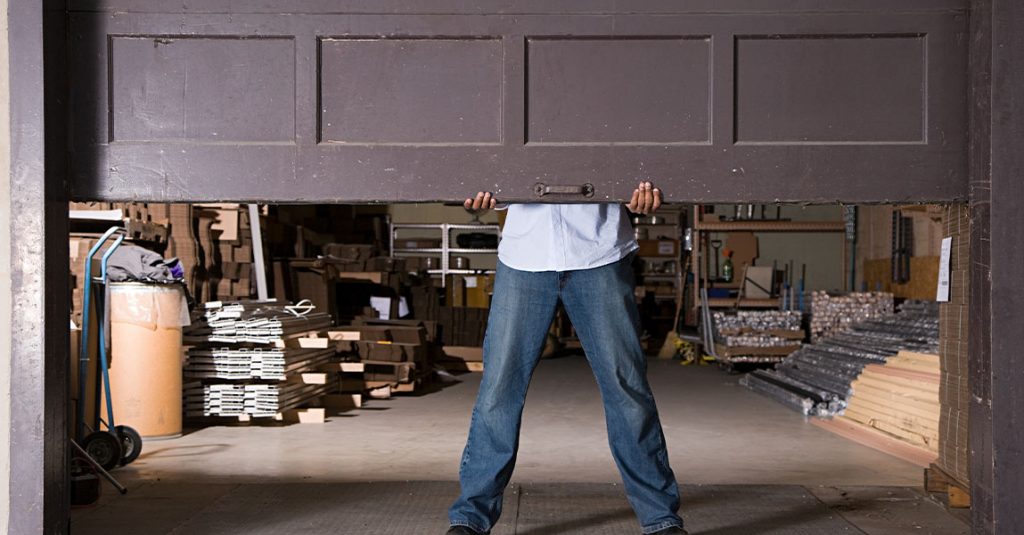
If you notice garage door shaking when opening, it is usually a sign that something is out of balance or worn out. This issue should never be ignored because garage door shaking when opening can quickly turn into a bigger mechanical failure.
A garage door system works through tension, alignment, and smooth motor control. When one component starts to fail, vibration begins. Over time, those vibrations become stronger, noisier, and sometimes dangerous. Understanding the root cause helps prevent costly repairs and keeps your home safe.
Common Mechanical Reasons for Garage Door Shaking When Opening
One of the most common causes of garage door shaking when opening is worn or damaged rollers. Rollers guide the door along the tracks, and when they become cracked or loose, the door starts to wobble. Steel rollers without proper lubrication can also create harsh vibration.
Another major cause is track misalignment. If the vertical or horizontal tracks shift even slightly, the door panels cannot glide smoothly. Instead, they jerk and shake as they move upward. Loose mounting brackets often contribute to this problem.
Cables also play a critical role in stability. Frayed or uneven cables pull the door unevenly, which creates shaking motion. In many cases, professional garage door cable replacement Calgary resolves this issue before it leads to complete cable failure.
Springs are equally important. When torsion or extension springs lose proper tension, the door becomes unbalanced. That imbalance forces the opener to struggle, causing vibration. Reliable garage door spring repair restores proper balance and smooth movement.
Opener Problems That Lead to Vibration
Sometimes garage door shaking when opening is not caused by the door itself but by the opener system. If the opener motor mounting bolts become loose, the motor may shift during operation. That movement transfers vibration through the rail and into the door panels.
Chain-drive openers are naturally louder than belt-drive systems. However, excessive shaking usually means the chain tension is incorrect. A loose chain slaps against the rail, while an overly tight chain strains the motor.
Older openers may also lack soft-start and soft-stop technology. As a result, the door jerks at the beginning and end of each cycle. Upgrading through professional garage door opener installation can eliminate sudden movements and create a smoother opening experience.
Improper force settings also contribute to shaking. If the opener pushes too hard against resistance, vibration increases. Adjusting these settings properly ensures safe and steady operation.
Structural and Panel Issues
In some homes, the problem is structural rather than mechanical. Warped or cracked panels create uneven weight distribution. When one section becomes heavier, the entire system vibrates during movement.
Loose hinges between door sections also create instability. As the door bends along the track curve, worn hinges allow too much movement. This looseness translates into shaking.
Weather changes in Calgary can also affect materials. Cold temperatures cause metal components to contract, which may tighten tracks and increase friction. Seasonal inspections help prevent this.
If you are unsure about the condition of your door system, visiting Calgary Garage Door Services provides access to experienced technicians who can inspect the full system safely.
Why Ignoring the Shaking Is Risky
Many homeowners assume vibration is only a noise issue. In reality, garage door shaking when opening increases wear on every connected component. Rollers degrade faster. Hinges loosen further. Springs experience uneven stress.
Continued operation under vibration can cause cables to snap unexpectedly. A broken cable or spring can cause the door to drop suddenly, creating serious safety hazards.
The opener motor is also affected. When forced to compensate for imbalance, the motor overheats and fails earlier than expected. Repairing a minor imbalance early is significantly more affordable than replacing a full system.
Professional inspections also identify hidden issues that may not be visible during normal use. Learning more about the service team’s experience and approach through the about page can help homeowners feel confident about scheduling maintenance.
How Professionals Diagnose the Problem
A proper diagnosis begins with a balance test. The technician disconnects the opener and manually lifts the door halfway. If it does not stay in place, spring tension is incorrect.
Next, the tracks are measured for alignment. Even slight inward or outward bending can cause vibration. Rollers are examined for flat spots or cracks. Hinges and brackets are tightened.
Cable tension is checked on both sides to ensure equal pull. Finally, opener force and travel limits are adjusted. This systematic inspection ensures the real cause of garage door shaking when opening is corrected, not just temporarily masked.
Regular maintenance dramatically reduces vibration issues. Lubrication, tightening hardware, and spring inspection keep the system operating smoothly year-round.
Preventing Future Shaking Problems
Preventive care is always more affordable than emergency repair. Scheduling annual inspections ensures springs remain balanced and cables stay in good condition.
Lubricating rollers and hinges every few months reduces friction. Tightening visible bolts and brackets also helps maintain alignment. Homeowners should also listen for new sounds, such as grinding or popping, which often appear before shaking becomes noticeable.
Upgrading older components can also improve performance. Modern belt-drive openers, nylon rollers, and properly calibrated springs reduce noise and vibration significantly.
Most importantly, avoid attempting spring or cable repairs without proper training. These components operate under high tension and can cause injury if mishandled.
Addressing garage door shaking when opening early protects the entire system and extends the lifespan of your door.
Frequently Asked Questions
Why does my garage door shake only at the beginning of opening?
This usually indicates improper spring balance or opener force settings. The door struggles at the initial lift, causing vibration before stabilizing.
Can cold weather cause garage door shaking?
Yes. Cold temperatures can stiffen lubricants and contract metal parts, increasing friction and causing temporary vibration during operation.
Is shaking always a spring problem?
Not always. While springs are common causes, rollers, cables, tracks, and opener components can also create vibration.
How dangerous is a shaking garage door?
It can become dangerous if left untreated. Continuous shaking increases wear and may eventually lead to broken cables or springs.
How often should I service my garage door to prevent shaking?
Annual professional inspections are recommended, along with basic lubrication every few months to maintain smooth operation.