
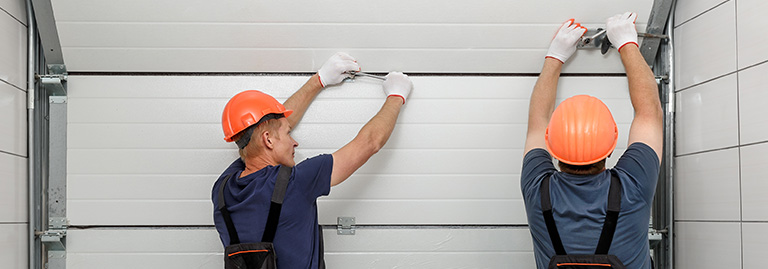
Garage doors might look simple, but their safety features are critical. One of the most important is the auto-reverse function. This built-in feature keeps people, pets, and vehicles safe from injury. When working properly, it stops and reverses the door if something blocks the way. At Super G&R, we always stress how important it is to check this feature regularly. In this guide, we’ll explain how to test your garage door’s auto-reverse system, what to look for, and when to call for help.
Understand What the Auto-Reverse System Does
Auto-reverse protects anyone or anything beneath a closing garage door. It relies on two systems: a sensor beam and pressure detection. If the beam is broken or resistance is sensed, the door should instantly reverse.
This safety feature is part of every modern system, but it only works when components are clean and aligned. If something blocks the sensor or if the force setting is off, the door might close on an object instead of stopping. That’s when it’s time to look into garage door repair in Calgary.
Testing this function helps prevent bigger problems. Catching issues early avoids damage to your opener or injury to your family. All it takes is a few simple steps and a few minutes of your time.
Check the Photo-Eye Sensor Alignment First
Start by locating the small sensor boxes near the bottom corners of your garage door frame. These are called photo-eyes, and they send an invisible beam across the opening. If anything breaks the beam, the door should stop.
Wipe both lenses gently with a soft cloth. Even a thin layer of dirt or spiderwebs can disrupt the signal. Next, check that the sensors are aimed directly at each other and are the same height. Misalignment can prevent the door from reacting properly.
To test, use your remote or wall button to close the door, then wave a long object like a broomstick through the beam. The door should immediately stop and begin reversing. If it keeps moving down, you may need a full garage door opener installation or sensor adjustment.
Perform the Reversal Test with an Object
Next, use an object like a thick roll of paper towels or a medium-sized cardboard box. Place it directly in the door’s path where it meets the floor. Press the remote to close the door and stand back.
If your system is working, the door will touch the object, stop, and reverse. It should never push or crush the item. If it does, the force setting may be too strong, or the system isn’t detecting resistance properly.
This could mean your opener needs recalibration. It might also suggest an issue with cables or springs. If that’s the case, it’s a good idea to check if garage door spring repair or sensor servicing is required.
Adjust Force and Sensitivity Settings If Needed
If the door doesn’t reverse, locate the pressure or force adjustment settings on your garage door opener. Most systems have small dials or electronic buttons on the motor unit. Check your manual to identify the correct control.
Make a small adjustment to reduce the closing force. Test again with the same object. Keep adjusting in small steps until the door reverses quickly but still closes smoothly when no obstruction is present.
Too much pressure poses a safety hazard. Too little pressure can stop the door from closing at all. If the settings feel unstable or unpredictable, there may be deeper mechanical issues. One common cause is a worn cable, which might require a garage door cable replacement in Calgary to fix the imbalance.
Inspect the Door Balance and Track Conditions
Testing the door balance helps prevent problems before they become serious. Pull the red emergency release cord to disconnect the opener. Manually lift the door halfway and release it. A well-balanced door should stay in place.
If it drops fast or slides up on its own, the spring tension is off. This kind of imbalance can stop the safety system from working properly. The door could apply more force than expected or stop mid-track.
Examine the tracks for dents, warps, or debris. Dirty or uneven tracks can prevent smooth movement and confuse the auto-reverse system. Check rollers for wear as well. If anything feels unstable, stop testing and request help through garage door repair in Calgary before the issue becomes more serious.
How Often You Should Test Auto-Reverse Systems
We suggest testing your system every few months. Don’t wait until something feels off. Instead, make it part of your seasonal home checks.
Weather changes affect the way garage doors operate. Cold weather can stiffen parts, while hot temperatures may loosen alignment. Vibration from daily use also shifts sensor positions over time.
Frequent testing helps you spot small changes. This includes unusual motor sounds, hesitation before reversing, or blinking lights on the sensors. If any of these show up, it might mean you need garage door opener installation services or at least a recalibration of the sensor system.
Know When to Call a Professional for Help
If your tests fail or something doesn’t seem right, stop using the door and contact a technician. Some issues can’t be solved at home. That includes misaligned doors, broken tension springs, or worn-out cables.
Never attempt to fix springs or high-tension parts on your own. These components can snap and cause serious injury. The safest route is to have a trained technician inspect and correct the problem.
Our team at Super G&R can assess every part of your garage door system. If your safety features aren’t working, we’ll fix the issue and make sure everything meets current standards. For quick support, reach out through our garage door repair in Calgary service page.
FAQs
How do I know if my garage door has auto-reverse?
Most openers installed after 1993 include auto-reverse. If you see sensors near the floor or your door stops and lifts when blocked, it has the feature.
What objects can I use to test auto-reverse?
Try a roll of paper towels, a soccer ball, or a small cardboard box. Avoid breakable items or anything too flat to trigger resistance.
Why doesn’t my garage door stop when it hits something?
The force settings may be too high, or the sensors could be dirty or misaligned. These issues prevent the system from reacting properly.
Can weather affect the auto-reverse feature?
Yes. Cold, heat, or humidity can impact how smoothly parts move and how sensors detect obstructions. Seasonal testing is a good habit.
Is it safe to adjust pressure settings myself?
Minor adjustments are usually safe, but if you’re unsure or the door feels unstable, it’s better to get professional help to avoid injury.