
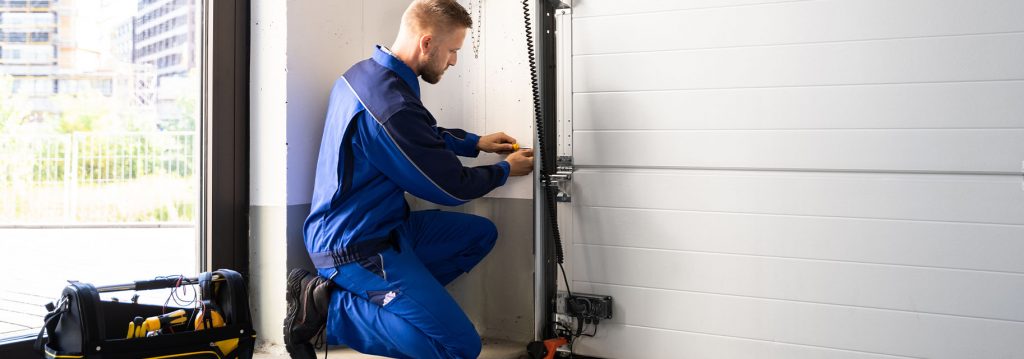
Garage doors work hard every day. Each time they open or close, metal hinges carry the full weight of the panels. That pressure builds up over time. Cracks in hinges usually don’t happen overnight. They start small—barely visible. But if we ignore them, those small cracks grow into splits, and eventually, complete failure. When that happens, it’s not just an inconvenience. The door can jam, tilt, or even collapse. Regular hinge checks help prevent emergencies and expensive garage door repair in Calgary. That small effort now protects both safety and wallet later.
Understand How Hinges Work
Hinges aren’t just there to hold garage door panels together. They guide how each section bends and lifts. Different doors use different hinge numbers or styles. Mid-panel hinges bend with the door. End hinges support roller tracks. Each one takes pressure in a different direction. As a result, the way they wear out depends on their position. Some may crack near screw holes. Others show stress right in the middle.
Garage doors use both lightweight and heavy-duty models. Thinner hinges usually go on upper sections. Thicker ones support lower panels or bear more weight. When we inspect them, we check both size and wear. That helps us decide if replacement is needed now or if it can wait a little longer. Still, once metal starts to split, the problem won’t fix itself.
Spot the Warning Signs Early
Every hinge gives clues before it fails. You don’t need special tools to catch them either. Look closely at the metal. A hinge in trouble often shows signs before snapping. For example, thin cracks around screws often mean the metal is weakening. Rust or corrosion builds up around those weak points. In other cases, the hinge may start bending or warping. That’s the metal reacting to uneven pressure.
Noises also warn us. A squeaking or grinding sound when the door moves might mean a loose or cracked hinge. When one part wears down, it throws the rest off balance. That can damage the rollers or pull the track out of line. We always recommend checking hinges whenever we inspect springs or do garage door opener installation. Catching these signs early avoids chain reactions.
The Risks of Waiting Too Long
Ignoring cracked hinges isn’t just risky—it’s expensive. When one breaks, it sends shock down the entire door frame. That often leads to more than just a broken hinge. The panel may dent, rollers might pop out, or the door could jam. In some cases, doors hang at an angle. That adds pressure to the track and cables. Left alone, even a single cracked hinge can lead to snapped cables or bent tracks.
The worst-case scenario happens when a panel drops unexpectedly. It might slam shut, or it might come off its track. That risk is especially high with older or heavier doors. Even if the door still moves, it may sag or strain. The opener works harder than normal, shortening its lifespan. Regular checks keep that from happening. We always include hinge inspection when doing any garage door spring repair because the stress affects multiple parts.
How to Check Hinges at Home
You don’t need to be a technician to inspect your own hinges. Start with the door closed. From inside the garage, look at each hinge from top to bottom. Use a flashlight to get a clear view. Focus on the areas around the screws and between the folds. That’s where small cracks usually start.
Next, slowly lift the door manually if it’s safe. As the sections bend, watch how the hinges move. If one looks out of line, loose, or doesn’t bend smoothly, it needs attention. If you see rust, grab a cloth and wipe the area. Check for flaking metal underneath. A hinge with rust inside might already be too weak to hold.
Don’t forget the screws. Loose ones mean the hinge isn’t supporting the panel properly. Tighten gently if they wiggle. If they won’t stay tight or the holes look stripped, it’s best to replace both the hinge and screws. This whole check takes less than ten minutes but can stop major damage later.
When to Replace Hinges Right Away
Some hinge problems can wait a few days. Others need fast action. If a hinge is cracked all the way through, replace it right away. Even if the door still moves, it’s at risk of collapse. Likewise, a hinge that keeps bending or loosening despite tightening is done. The metal has lost its shape.
Hinges that don’t line up with the roller brackets also need replacement. Misalignment can force the roller out of track. We’ve seen cases where one loose hinge caused the entire door to derail. If the hinge is missing screws, warped from force, or separating from the panel, don’t wait.
It’s also smart to replace hinges in groups. If one is cracked, others in the same row are likely close behind. Replacing two or three at once saves time and avoids repeated service calls. We do this especially during garage door cable replacement in Calgary since both parts often wear out together.
How Weather Speeds Up Damage
Cold, moisture, and dust wear hinges faster. In Calgary, winters bring deep freezes. That cold makes metal brittle, especially on older or cheaper hinges. Then spring brings moisture. Snowmelt seeps into cracks. Rust forms fast, even on painted hardware. Then that rust eats away at strength from inside.
We also see more problems in homes near roads or fields. Dust, gravel, and grit grind between hinge joints. Over time, those tiny grains act like sandpaper. They dig into the folds and weaken the moving parts. That’s why cleaning and oiling hinges twice a year matters. Even just brushing off dust helps prevent this early wear.
If your garage door faces west or gets a lot of wind, check it more often. Wind slams doors closed. That jars the hinges. Regular visual checks, even without issues, keep surprises away. One of the easiest ways to avoid costly garage door repair in Calgary is just staying ahead of the weather.
Tools and Products That Help
Not every hinge needs replacement. Some just need care. A basic socket wrench tightens screws back into place. A stiff brush removes dirt or rust. White lithium grease works best for hinge joints. It sticks well, even in cold air. Apply just a small amount—too much collects dirt.
Magnetic levels help spot door sag. If the panel dips on one side, the hinges there might be weak. For rust spots, a small wire brush or steel wool cleans them up. After that, use a rust-preventive spray. Avoid thick oils like WD-40 for hinges. They attract too much grime over time.
Keeping these tools handy makes hinge care part of regular garage upkeep. Even five minutes every few months makes a big difference. Simple prevention saves parts from breaking under pressure.
Professional Inspections Make a Difference
Some problems are easy to miss without a trained eye. Hinges might look fine but carry hidden cracks inside the folds. That’s why yearly inspections catch more than just surface issues. We often find early signs that owners overlook—especially on older or wood doors.
During inspections, we also check how the hinge stress lines match with spring tension. If those forces don’t line up, both parts wear out faster. That’s something most people wouldn’t notice until failure happens. A full check lets us adjust before damage spreads.
If anything feels off with your garage door movement or hinge condition, contact us. We’ll take a look, walk you through the findings, and fix what’s needed before it becomes an emergency.
FAQ
How often should I check garage door hinges?
Check hinges every 6 months. Do it before winter and again in spring. Catching wear early prevents larger damage.
Can I replace a single cracked hinge or should I do all of them?
You can replace just one if it’s the only damaged piece. But check nearby hinges too, since they may be wearing down.
What’s the best product to clean and lubricate hinges?
Use white lithium grease for lubrication. It lasts longer and doesn’t drip. Clean rust with a wire brush first.
Is hinge damage always visible?
Not always. Cracks may start inside the fold. If the door shifts, squeaks, or looks uneven, inspect all hinges closely.
Are all hinges the same size and type?
No. Hinges vary by door type and location. Top and bottom hinges often differ from mid-panel ones. Always match replacements properly.